VOYAGER 1 TRACKER
● LIVE TELEMETRY FEED
VOYAGER 1 PHOTO ARCHIVE
Space imagery from the mission alongside the team and technology that made it possible — all photos NASA/JPL public domain
Earth from 6 billion kilometers away
PALE BLUE DOT
February 14, 1990
Earth photographed from 6 billion kilometers away. At Sagan's request, Voyager 1 turned its camera back toward home one final time. Our entire world — every human who ever lived — captured in a single pixel of light.
Jupiter with Great Red Spot
JUPITER — GREAT RED SPOT
March 1979
Voyager 1 captured this stunning portrait of Jupiter during its closest approach at 349,000 km. The Great Red Spot — a storm larger than Earth that has raged for centuries — is clearly visible.
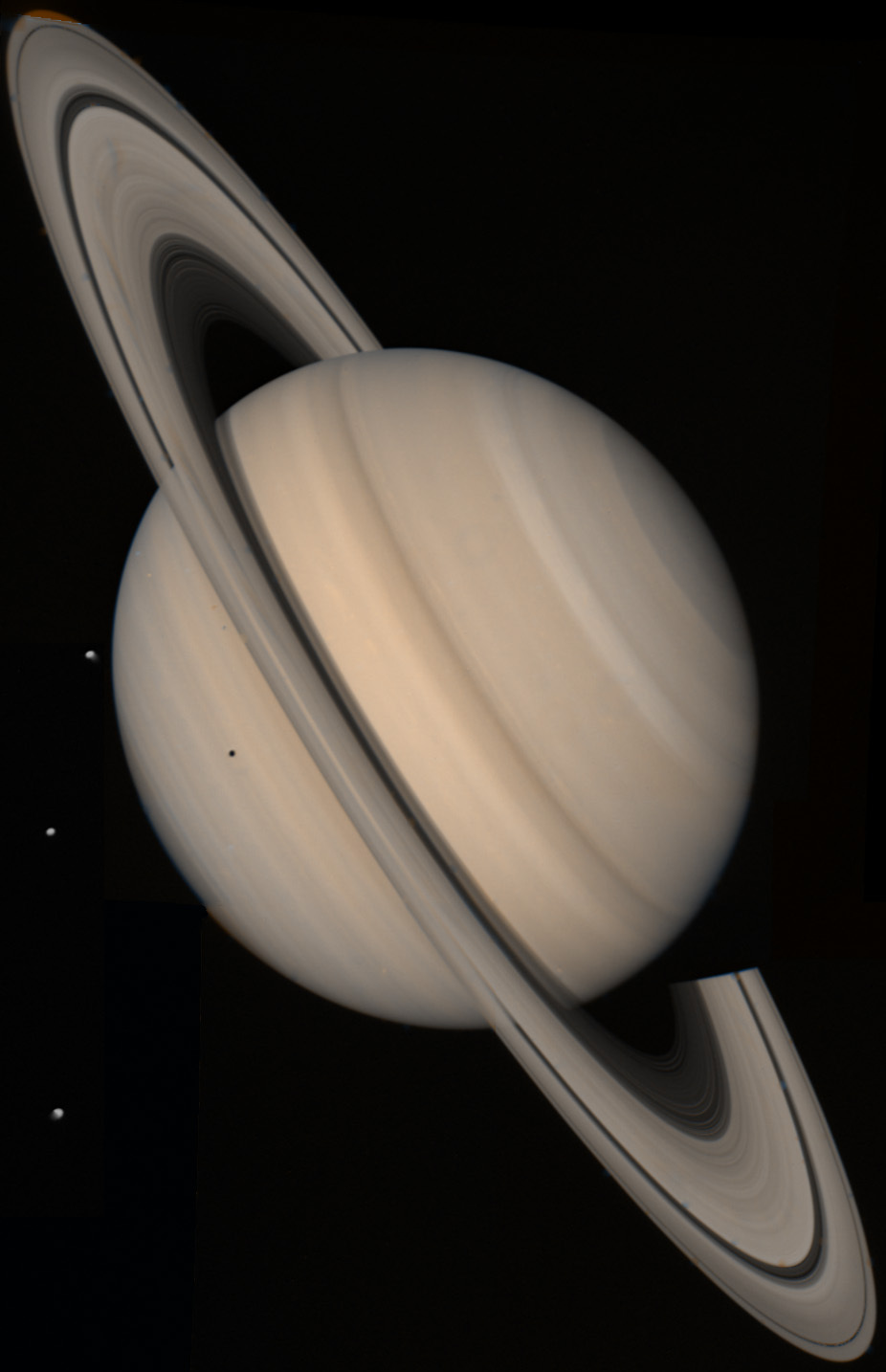
Saturn with ring system
SATURN PORTRAIT
November 1980
Saturn as seen by Voyager 1 during its flyby. The spacecraft studied Saturn's ring system and its moon Titan in unprecedented detail, fundamentally changing our understanding of the outer solar system.
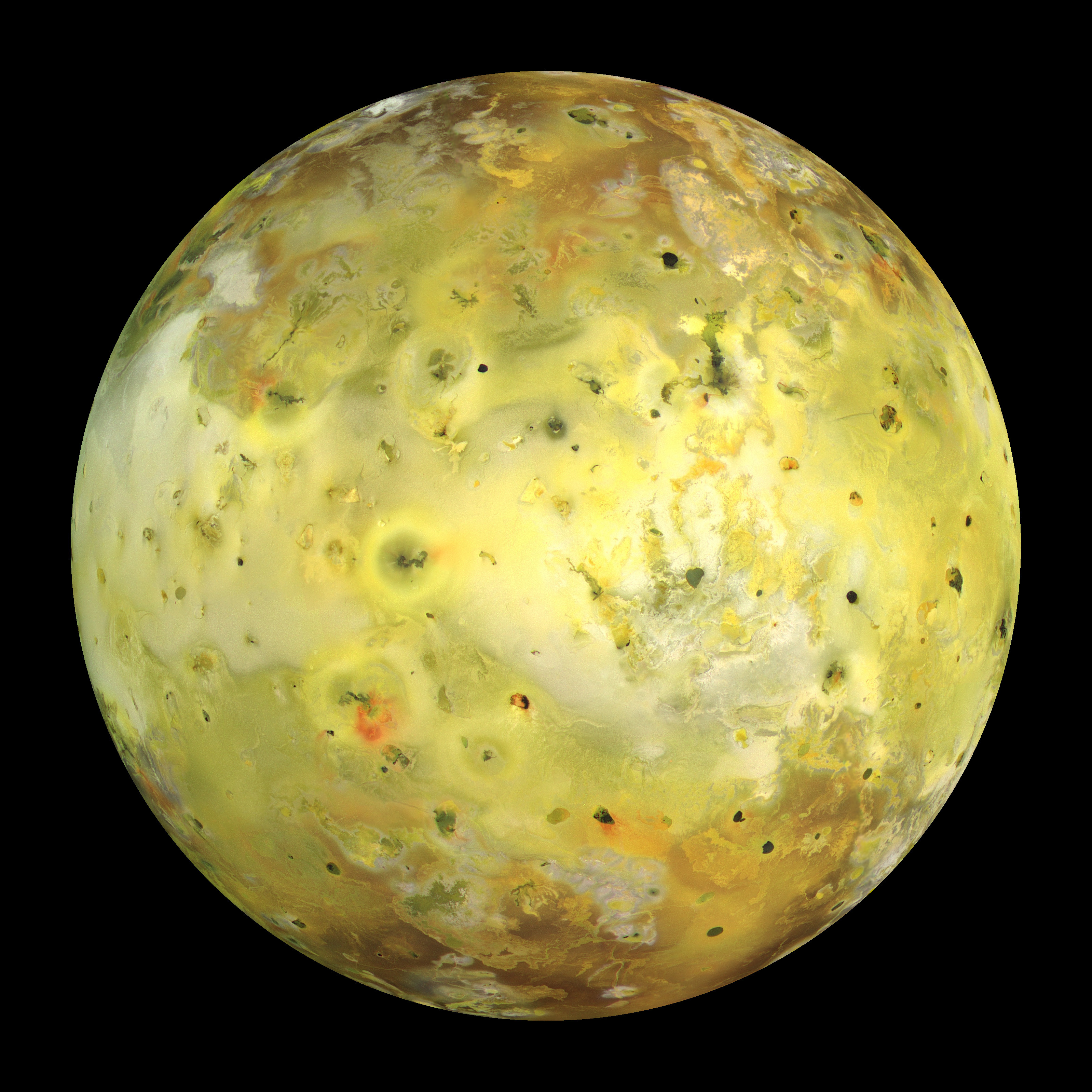
Io volcanic moon
IO — VOLCANIC MOON
March 1979
Jupiter's moon Io, the most volcanically active body in the solar system. Voyager 1 discovered active volcanism on Io — the first time volcanic activity had been observed anywhere beyond Earth.
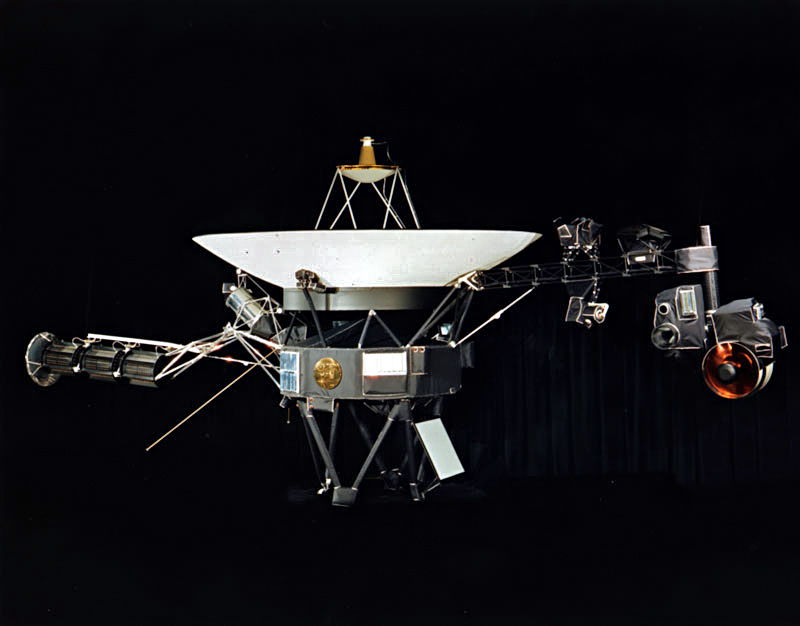
Voyager 1 spacecraft
VOYAGER 1 SPACECRAFT
Launched Sept 5, 1977
An artist's rendering of the Voyager 1 spacecraft. The probe weighs 722 kg, carries 11 science instruments, and draws power from three radioisotope thermoelectric generators (RTGs) using plutonium-238.
The Golden Record
THE GOLDEN RECORD
1977
The Golden Record carried aboard Voyager 1 — a 12-inch gold-plated copper disk containing sounds and images of life on Earth, intended for any intelligent life that might one day find the spacecraft.
THE PROGRAM ON EARTH

The people, hardware, and moments behind the mission

Voyager 1 being tested at JPL
VOYAGER 1 IN THE LAB
1976 — JPL Clean Room, Pasadena CA
Technicians at NASA's Jet Propulsion Laboratory assemble and test Voyager 1. Every component had to function flawlessly for decades in the harshest environment imaginable — temperatures near absolute zero, no air, no repair missions.
Voyager mission control room at JPL
MISSION CONTROL
JPL, Pasadena, California
The Voyager Mission Operations Center at JPL. Flight controllers have monitored telemetry from both Voyager spacecraft around the clock for nearly 50 years — an unbroken vigil across the solar system and beyond.
Carl Sagan and Chuck Berry at JPL
SAGAN & CHUCK BERRY
1977 — JPL
Astronomer Carl Sagan — who led the team that created the Golden Record — with Chuck Berry, whose "Johnny B. Goode" was selected to represent rock and roll on humanity's first interstellar message.
First Voyager science team meeting 1972
THE FIRST SCIENCE MEETING
1972 — Five Years Before Launch
Scientists gather for the first Voyager science meeting in 1972. The team would spend five years planning trajectories, designing experiments, and preparing for a Grand Tour of the outer planets that occurs only once every 175 years.
Titan III-E Centaur rocket nose cone
READY FOR LAUNCH
Cape Canaveral, 1977
The Titan III-E/Centaur rocket nose cone that carried Voyager 1 into space. One of the most powerful launch vehicles of its era, the Titan-Centaur gave Voyager 1 the velocity needed to escape Earth's gravity and race toward Jupiter.
Ed Stone at Saturn press conference
ED STONE — SATURN PRESS CONFERENCE
November 1980
Dr. Ed Stone, Voyager Project Scientist, briefs the press during the historic Saturn flyby. Stone led the Voyager science team for over 40 years and became the enduring public face of humanity's greatest exploration mission.

All images: NASA/JPL-Caltech — United States Government Works, public domain